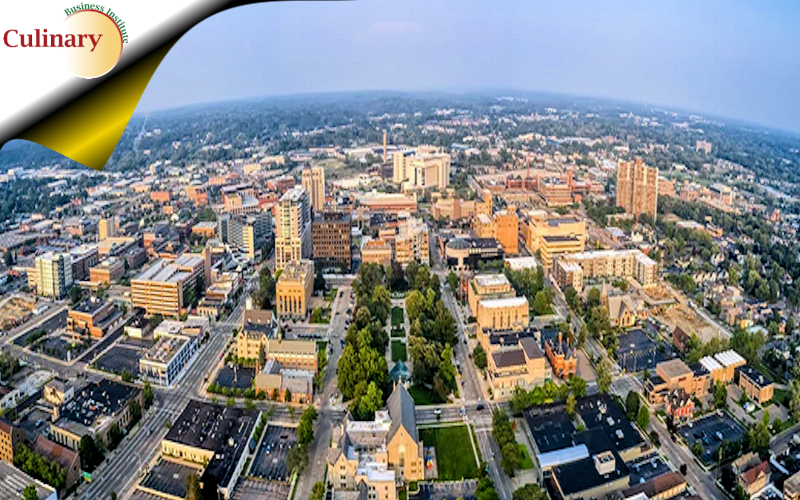
The Culinary Business Institute randomly selects cities to test the viability for a new Personal Chef Service.
The city we’ve selected is Allentown, PA
Industry & Market Outlook (National Context)
The Personal Chef services industry is growing in the U.S. — projected to expand steadily over the next decade:
• The U.S. Personal Chef services market was worth about $4.5 billion in 2024 and
is forecast to reach over $6.1 billion by 2030, growing at roughly 5.4% annually.
• Globally and in the U.S., the market shows strong demand for personalized,
dietary-specific, and convenience-oriented meals — especially among busy
professionals, health-focused consumers, and families.
• Service types range from one-time private dinners and event service to
subscription weekly meal prep and specialty diet plans.
This growth reflects two major consumer trends:
Time-poor lifestyles — dual-income households and professionals seeking
convenience.
2. Health & personalization — demand for custom diets (keto, vegan, allergen-free,
etc.).
Overall, Personal Chef services in general are not at market saturation anywhere in the U.S. — even small cities could have hundreds or thousands of potential clients.
Allentown / Lehigh Valley Market Realities
Population & Income Context
Allentown itself isn’t a major wealthy metro — median household income is relatively
modest — but the surrounding Lehigh Valley (including Bethlehem, Easton, Upper
Macungie, etc.) has higher-income areas. Drawing clients from this larger suburban
catchment is key: residents with higher disposable income are more likely to afford a
Personal Chef regularly.
This matters because Personal Chef services are still largely considered a premium or
convenience service — many customers still view it as luxury, not essential.
Existing Local Services
There already are chefs and services in Allentown searchable on platforms like
Thumbtack and Take a Chef — showing active local demand and bookings.
That means:
• People will pay for in-home private chef or meal prep service locally.
• But you’ll face some competition — so differentiation is important.
• Who Your Customers Would Be
Here are the most realistic customer segments and how they might respond:
Affluent Suburban Households
• Higher disposable income, time constraints, and willingness to pay for
convenience.
• Likely steady clients for weekly meal prep, dietary plans, and special dinners.
Busy Professionals & Dual-Income Families
• Convenience is a primary motivator — saving planning/shopping/cooking time.
• Could be solid for meal-prep subscriptions.
Health-Focused or Diet-Specific Clients
• Keto, diabetic, gluten-free, vegan, athletic performance diets — chefs with
specialization can charge a premium.
Seniors & Older Adults
• May need tailored nutrition and help with meal logistics — a niche with less
competition.
Event & Occasion Bookings
• Weddings, celebrations, holiday dinners, small corporate events — premium one-off
bookings often pay well.
Targeting multiple segments rather than only one can help spread risk and increase
revenue potential.
Pricing & Revenue Potential
Pricing for Personal Chef services varies widely depending on service type and clientele, but industry benchmarks show:
Event / Private Dinner
• Special event or multi-course chef service typically ranges from ~$135–$200+ per
person (sometimes higher depending on menu).
Weekly Meal Prep / Subscription Services
• Chefs often package weekly services, ranging from a few hundred to several
thousand dollars per client per month depending on frequency, family size, and
customization.
Consulting / Dietary Planning
• Some chefs also offer menu planning, nutritional consulting, or cooking classes as
add-ons — higher margins.
Note: Reddit and industry forums show experienced chefs charging day rates of $350–
$700+ or hourly rates in higher-income areas, though pricing must reflect local market
tolerance.
Key Challenges You’ll Face
Perception as a Luxury vs. Necessity
Many consumers still consider a Personal Chef a luxury, not a routine household service — especially in smaller cities.
Competition from Alternatives
Meal delivery services, meal kits, and prepared meal subscription services (e.g., Freshly, HelloFresh) are cheaper alternatives for many people — so you must clearly show value beyond what they provide.
Operational Complexity
Managing grocery sourcing, travel, cooking, cleanup in client kitchens, and scheduling
can be time-intensive and hard to scale.
Licensing & Legal Requirements
Rules for food business operations, commercial kitchen use, cottage kitchen licensing,
and liability insurance vary by location — you’ll need to ensure compliance.
Strategies to Make It Work
Differentiate with Niche Services
Instead of only generic weekly meal prep:
• Dietary specialization (e.g., diabetic-friendly, plant-based, athletic nutrition)
• Private gourmet dinner experiences
• Cooking classes + private chef bundled experiences
• Corporate wellness or event partnerships
• Hybrid Models
Instead of only in-home cooking, consider:
• Pre-prepared meals delivered weekly
• Remote menu planning + occasional in-home sessions
• Partnerships with local gyms, wellness clinics, or health coaches
Marketing That Works
You’ll need strong online visibility:
• SEO & social media (Instagram, TikTok showing plated meals)
• Reviews and testimonials
• Partnerships with wedding planners, senior living communities, and gyms
Overall Assessment
Positive Indicators
• National market growing at ~5–7% annually.
• Strong demand for personalized, health-focused, and convenience meals.
• Local people are already hiring chefs in Allentown.
• The service is under-penetrated — virtually no city is “saturated.”
Challenges
• Affordability and perception as a luxury.
• Competition from meal delivery and prepared meal services.
• Requires careful operational planning and marketing.
Bottom Line
A Personal Chef service in Allentown / Lehigh Valley can do well — particularly if you:
• Target the right customer segments (affluent suburbs, busy families, health-focused
• clients)
• Offer a mix of services (weekly prep + events + specialty menus)
• Use strong marketing and partnerships
• Price services to match local income dynamics and value perception