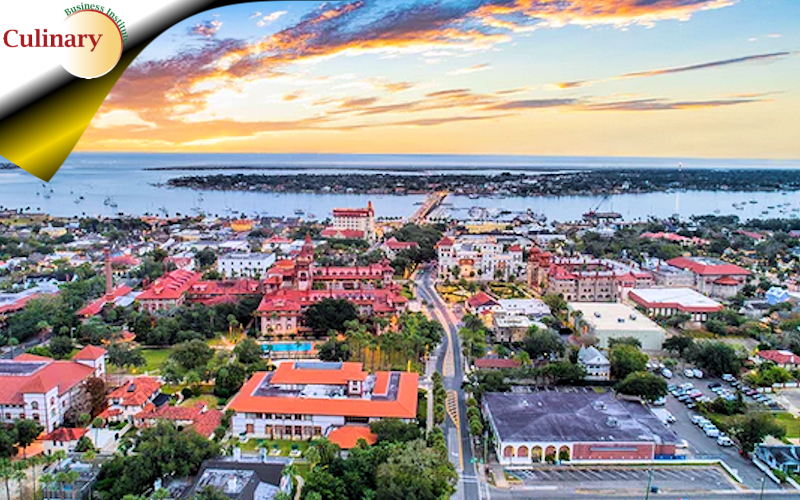
The Culinary Business Institute randomly selects cities to test the viability for a new Personal Chef Service.
The city we’ve selected is New London, CT
Demand Signals — Are People Already Hiring Chefs?
There is already some personal/private chef activity in the New London area —
platforms list dozens of chefs offering services and hundreds of customized bookings,
with good customer ratings and repeat clients.
This tells us:
• There is existing demand — people in the region already pay for private culinary
experiences.
• Customers are booking multi-course menus and paying premium prices (~$180+ per
person in some cases) for private chef events.
This is a positive signal for market viability.
Local Demographics & Income — Strengths & Challenges
Population
New London city has ~27,000 residents; within ~10 miles that grows to ~140,000+
potential customers.
Income
Median household income in the city is lower than the state average — around ~$50K (vs~$83K statewide).
In the surrounding county, median household income is higher (~$78K).
Poverty/Cost Considerations
There are significant income disparities locally, and a notable portion of households fall
into financially constrained categories.
There will be some residents who can’t afford premium chef services regularly, but the
broader catchment area includes higher-income households who can pay for those
offerings.
Food & Lifestyle Trends
Rise in Off-Premise Eating
In Connecticut, nearly 74% of meals are consumed outside restaurants (take-out,
delivery, catering), driven by busy lifestyles — indicating consumers are open to paying
for prepared meals.
This trend suggests people value convenience and meal services, which is a core selling
point for Personal Chefs.
Market Positioning & Target Segments
A Personal Chef business won’t appeal equally to everyone — success hinges on
targeting the right niche:
Potential strong segments:
• Affluent households in the broader metro area.
• Professionals with high disposable income.
• Special occasions: holidays, celebrations, dinner parties.
• Health and diet-specific services (e.g., vegan, keto, allergen-free).
• Seniors / empty-nesters who want convenience and quality.
Potential challenges:
• Large portion of local population with limited discretionary spending.
• Competition from restaurants, take-out, meal kits, and food delivery.
Competitive Landscape
There are already chefs offering services locally through marketplaces and platforms
(Airbnb Experiences, private chef booking sites).
But the presence of some competition isn’t bad — it shows the service can be marketed and sold — and there’s room to differentiate through higher-end branding, niche specialization (e.g., dietary cuisines), and subscription offerings.
Overall Likelihood of Success — Summary
Moderate to Good (if targeted and strategic)
Reasons it could succeed:
• Existing demand and repeat bookings for private chefs.
• Consumer trend toward prepared meals and convenience.
• Larger market around the city with higher income households.
Challenges to plan for:
• City’s median income is relatively low, which limits everyday use.
• Cost-sensitive residents may choose cheaper alternatives.
Key Tips for Success
If you pursue this business in New London, consider:
Segmented pricing models — e.g., premium event chefs and affordable weekly meal
prep packages.
• Partnerships — with local farms, events, or corporate catering.
• Seasonal/event-based marketing — holidays, celebrations, retreats.
• Clear niche positioning — highlight dietary specialties or exclusive experiences.